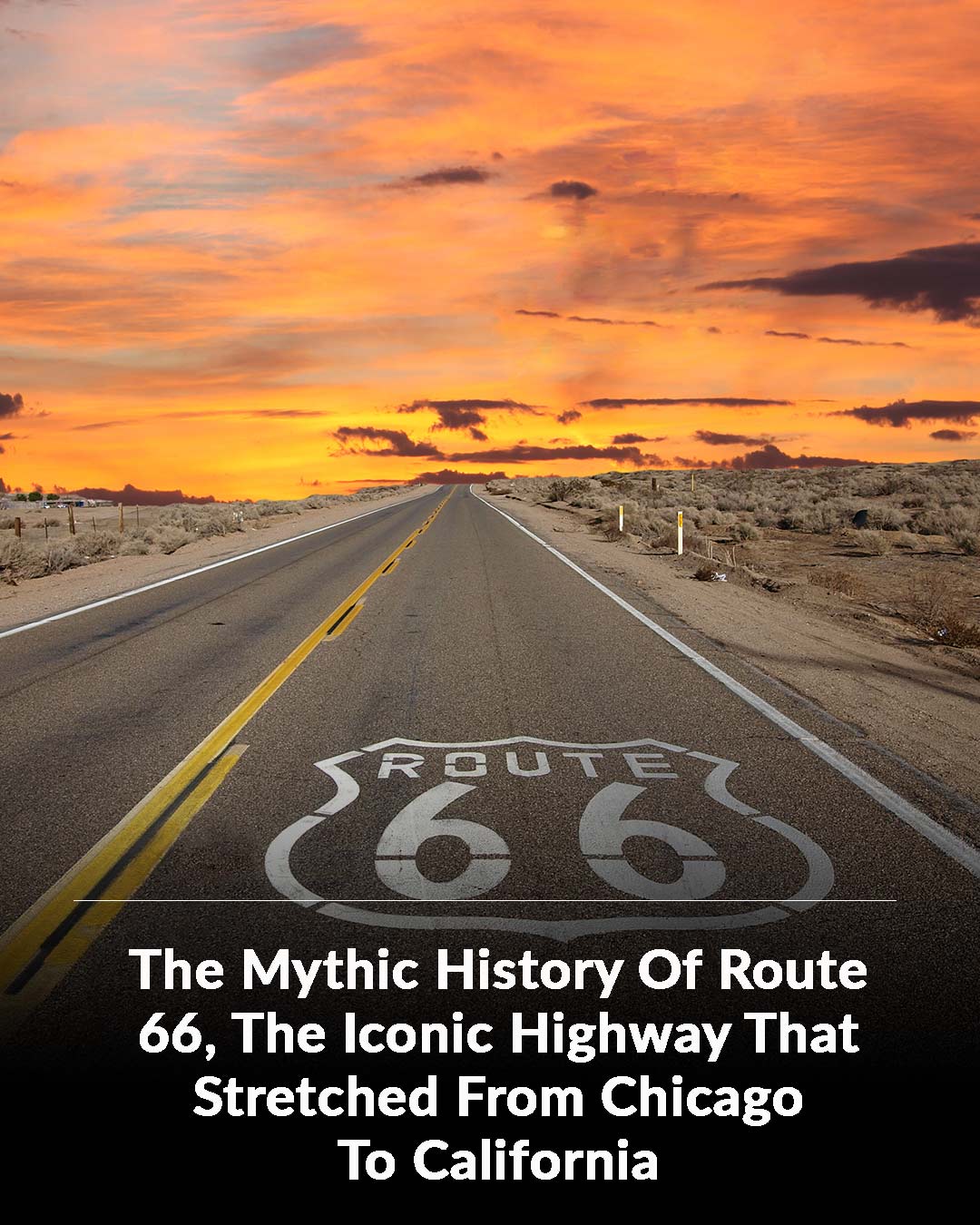
Discover the Timeless Charm of Historic Route 66 and Its Legacy
September 29, 2025 Guest Contributor
Discover the Timeless Charm of Historic Route 66 and Its Legacy
Few roads have captured the American imagination quite like Route 66. Known as the “Mother Road,” this iconic highway once stretched 2,448 miles from Chicago to Santa Monica, carving its way through the heart of the country. Promoted in the 1920s as “the shortest, best and most scenic route from Chicago through St. Louis to Los Angeles,” Route 66 became more than just a passage—it evolved into a symbol of hope, adventure, and freedom. As I explored its mythic history, I found it striking how one road could reflect so many chapters of American life, from hardship and migration to prosperity and nostalgia.
A cozy living room with plants and warm lighting
Route 66 was officially established in 1926 as part of the first federal highway system. The route was pieced together from local, state, and national roads, linking the industrial Midwest to the Pacific Coast. In its early years, the highway served a deeply practical purpose. During the 1930s, as the Dust Bowl and Great Depression devastated communities in the Great Plains, thousands of families used Route 66 to flee westward in search of better opportunities. Author John Steinbeck captured this period in his 1939 novel, The Grapes of Wrath, famously dubbing Route 66 “the mother road… the road of flight.”
By 1938, Route 66 had become the first highway in the United States to be completely paved, a milestone achieved through public works programs during the Great Depression. This improvement helped support the growing number of travelers and businesses along the route. Gas stations, motels, diners, and tourist attractions began to flourish, catering to a steady stream of migrants and motorists.
During World War II, the highway continued to play a vital role, transporting military personnel and civilians to defense plants on the West Coast. But it was in the post-war years that Route 66 truly came into its own as a cultural touchstone. With car ownership booming—rising from 25.8 million registered vehicles in 1945 to over 52 million by 1955—Americans were eager to explore. Route 66 became the quintessential road trip destination, taking travelers past landmarks like the Grand Canyon and through small towns brimming with character.
It was during this era that Route 66 took on a more light-hearted, adventurous identity. Roadside attractions like trading posts, themed motels, and drive-in theaters dotted the landscape. In 1946, musician Bobby Troup captured this spirit in the song “(Get Your Kicks on) Route 66,” transforming the road into a pop culture icon. The tune helped shift public perception of the highway from a route of necessity to one of leisure and exploration.
Buy 1 Get 1 50% Off Slippers from The Animal Rescue Site and GreaterGood, featuring black paw-pattern slip-on slippers; proceeds help support shelter pets and more.
Despite its popularity, the golden age of Route 66 was destined to fade. In 1956, President Dwight D. Eisenhower signed the Federal-Aid Highway Act, initiating the construction of the Interstate Highway System. Unlike Route 66, which curved through towns and around natural features, the new interstates offered direct, high-speed travel. Over the next few decades, interstates like I-55, I-44, I-40, I-15, and I-10 gradually replaced the famed highway.
By 1985, Route 66 was officially decommissioned. For many, this marked the end of an era. The bypassing of towns along the old route led to the decline of countless small businesses that had relied on highway traffic. In Williams, Arizona, resistance to the change was so intense that locals reportedly fired on bulldozers sent to build the new interstate.
Still, the story of Route 66 did not end there. Recognizing its cultural significance, Congress acknowledged in 1990 that the road had become “a symbol of the American people’s heritage of travel and their legacy of seeking a better life.” Preservation efforts gained momentum. In 1999, President Bill Clinton signed a National Route 66 Preservation Bill, allocating $10 million to restore and protect key features of the route. The World Monuments Fund added Route 66 to its list of 100 Most Endangered Sites in 2008, further fueling conservation initiatives.
Today, while the highway is no longer an official part of the U.S. road system, its legacy endures. According to Smithsonian Magazine, approximately 85 percent of the original road remains drivable. Many of its iconic attractions—from the Wigwam Village in Holbrook, Arizona, to the Cadillac Ranch in Texas—still welcome visitors. The enduring appeal of Route 66 lies in its layered history: a road that once carried desperate migrants now invites nostalgic travelers seeking a slice of Americana.
For those looking to experience the spirit of the open road, Route 66 offers more than just a journey—it offers a connection to the stories, struggles, and dreams that shaped a nation. Whether you’re drawn by its historic charm or its cultural significance, the “Mother Road” continues to offer a unique window into America’s past and present.