For Vietnam veteran Bill Driscoll, the journey to a high school diploma spanned nearly six decades. On a recent Friday in East Bridgewater, Massachusetts, the 76-year-old finally received the graduation recognition he had long postponed—an experience made possible through a program called Operation Recognition. This moment, filled with emotion and quiet triumph, marked the culmination of a life shaped by service, family, and perseverance.
Colorful modern artwork displayed in a bright living room
Driscoll was originally part of the class of 1967 at Boston’s now-closed Roslindale High School. Like many young men of his generation, his education was interrupted by the Vietnam War. Drafted into the Army, Driscoll left school before completing his diploma and went on to serve as an Army Specialist. While he built a full life after his service—including a long career with the U.S. Postal Service, marriage, and raising a family—the absence of a high school diploma remained a quiet unfinished chapter.
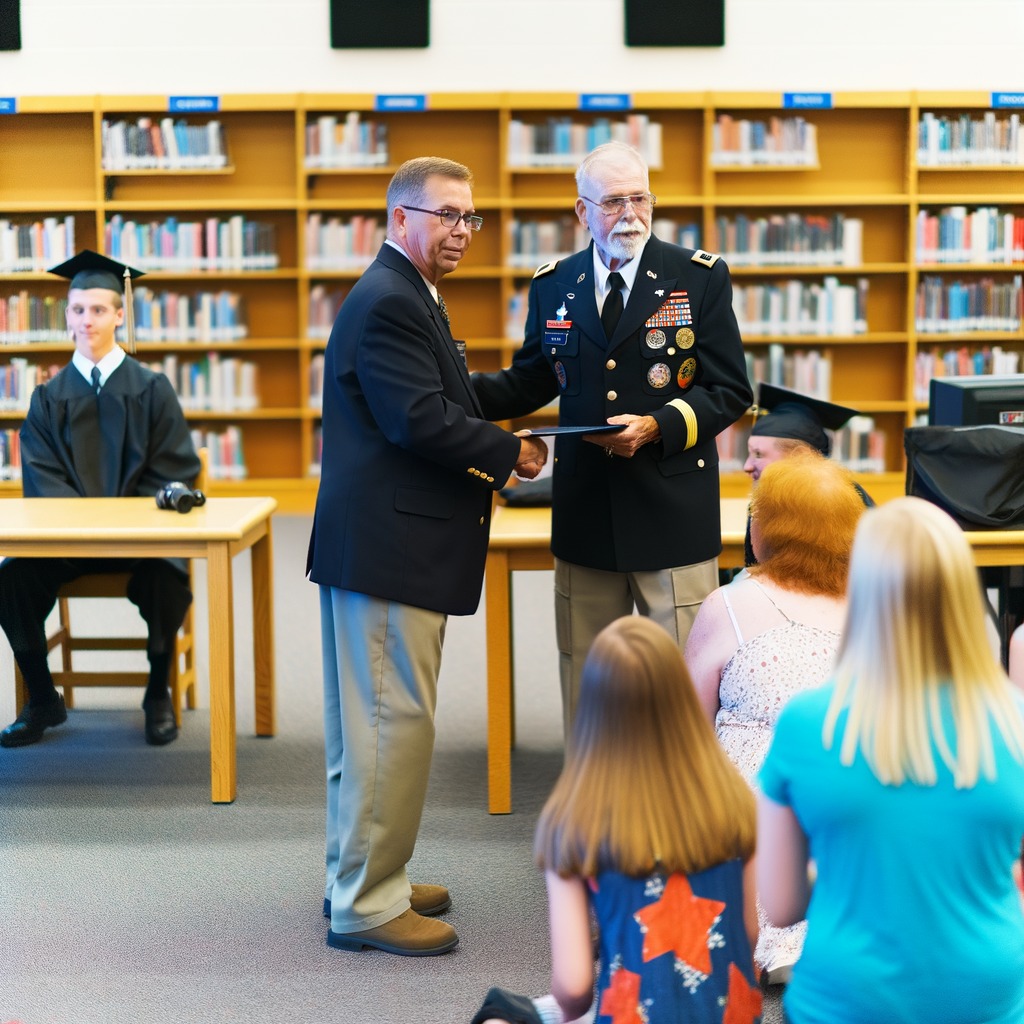
That chapter closed at last during a ceremony held in the library at East Bridgewater High School, where Driscoll now resides. Wearing a cap and gown, he received his high school diploma from Boston City Councilor Ed Flynn, himself a fellow veteran. The event was attended by Driscoll’s wife, children, and grandchildren, who cheered him on during what was clearly a meaningful and emotional milestone.
“It feels great. It feels great,” Driscoll said during the ceremony, his words echoing the sense of long-awaited fulfillment. His wife, Cherilyn Driscoll, expressed her happiness as well, noting the challenges he has faced over the years. “You know, it’s a long time for him. He’s gone through a lot, has a lot of illness now, so it’s a happy moment for him,” she said. I found this detail striking—it reminds us that the passage of time does not diminish the importance of recognition or the pride in educational achievement.
The diploma was awarded through Operation Recognition, a program that honors veterans of World War II, the Korean War, and the Vietnam War by granting them high school diplomas. The initiative acknowledges that many veterans left school to serve their country and never had the opportunity to return and finish their education. For those eligible, the process involves working with local school districts or Veterans Services offices to verify service and academic standing at the time of withdrawal.
Driscoll’s story is a powerful example of how programs like Operation Recognition can help close the loop on unfinished personal goals, even decades later. It also highlights the quiet sacrifices made by veterans whose lives took a different path due to their military service. In Driscoll’s case, after returning from Vietnam, he focused on building a stable life—marrying, starting a family, and eventually retiring from the Post Office. Yet, as he shared during the ceremony, the absence of a diploma remained on his mind for years.
“We got married, started a family and everything, worked for the Post Office, retired from that, and this has always been on my mind for years, and it’s great to have it done, finally,” he said. The acknowledgment, though symbolic, clearly carried deep personal meaning.
The mood of the event was uplifting, underscored by family support and the quiet dignity of a man who had waited nearly 60 years for this moment. It also served as a reminder of the importance of honoring commitments made by veterans not only in service but in the lives they returned to build. While many veterans reintegrate into civilian life without ceremony, moments like these offer a chance to reflect on their broader contributions, including the dreams they postponed.
For those interested in similar recognition, Operation Recognition continues to provide a path for veterans to receive their high school diplomas. The program is available to those who served in World War II, the Korean War, and the Vietnam War, and eligibility requirements can be explored through local school districts or veterans’ services offices. The program does not just confer diplomas—it restores a sense of completion and respect to those who gave up their education in service of their country.
Bill Driscoll’s story is not just about a diploma. It’s about the enduring value of education, the importance of recognition, and the power of family support. His journey from the halls of Roslindale High School to the library of East Bridgewater High School is a testament to resilience and the quiet victories that sometimes take a lifetime to achieve.