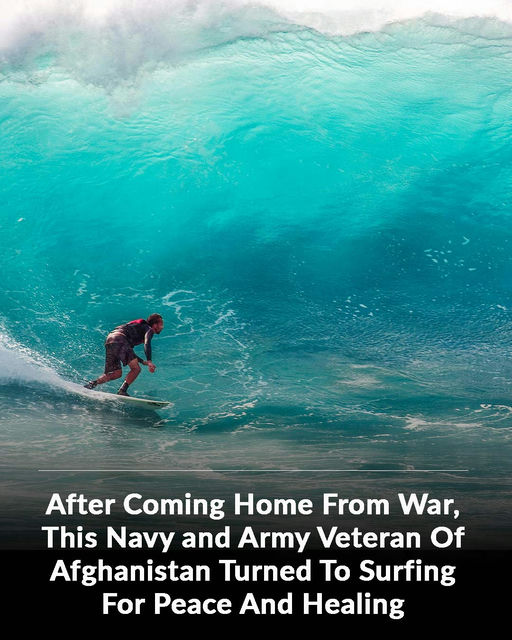
For many military veterans, the most difficult battles begin not on foreign soil but after they return home. The transition to civilian life can be filled with invisible wounds—emotional and psychological impacts of war that linger long after physical injuries have healed. One story that highlights both the struggle and the strength of this journey is that of Leslie De La Serna, a Navy and Army veteran who found healing through a unique form of therapy: surfing.
A cozy workspace with plants and a wooden desk surface
De La Serna served in Afghanistan and sustained a traumatic brain injury from a mortar impact during his deployment. While his physical recovery took place in a clinic over several weeks, the deeper effects of his experience surfaced much later. He spent two years grappling with symptoms of trauma, navigating the unseen aftermath of combat. “Some of the stuff we go through, you don’t realize how it will affect you until you get back to the States,” he shared.
A stylish living room decorated in earthy neutral tones
Support eventually came through the Department of Veterans Affairs and community-based organizations, particularly the Wounded Warrior Project (WWP). This nonprofit organization focuses on helping post-9/11 veterans and their families heal from both visible and invisible wounds. One of the ways they do this is through outdoor wellness programs, including veteran surf camps along the Jacksonville coast.
Cyber Week Deals from The Animal Rescue Site and GreaterGood, proceeds help support shelter pets and more, featuring holiday pet accessories like green tree costume, red reindeer headband, and Santa hat.
The therapeutic power of water activities for veterans is increasingly recognized. According to WWP, activities like surfing and paddling not only promote physical fitness but also provide emotional relief and foster a sense of connection. These programs are designed to rebuild camaraderie—a vital component often lost after leaving the military. “When you bring veterans together, they experience the camaraderie they lost when they left the military,” said Rob Louis, a spokesperson for WWP. “If we can get them back with their community, enjoying all the beauty we have here in Jacksonville, that’s incredibly important.”
For De La Serna, the first time back on a surfboard was transformative. “The first time out on the water, you feel like you’re in heaven, basically,” he said. The experience didn’t just reconnect him with the waves—it reconnected him with himself and with others who understood his journey. He described the surf camp as a return to a sense of belonging, where veterans look out for one another just as they did in uniform. “As veterans, we’re really close-knit,” he explained. “If you see someone struggling, you go over and try to help.”
I found this detail striking: the act of surfing, something many might see as a recreational pastime, becomes a form of therapy when shared among those who have faced the traumas of war. The ocean becomes a space for healing, and the board becomes a bridge between past experiences and present resilience.
WWP’s approach to mental health support is holistic. By combining physical activity with opportunities for social connection, they create environments where veterans can thrive. The surf camps are not just about learning to ride waves—they are about rediscovering joy, strength, and community. De La Serna emphasized that the excitement of getting back into the water is therapeutic in itself. “Just the excitement of getting into the water is in the training itself,” he said.
These outdoor wellness events are part of a broader effort to address the mental health challenges many veterans face. According to WWP’s research, water-based activities like surfing are particularly effective in reducing stress and improving emotional well-being. The organization regularly hosts similar events, offering veterans a chance to reconnect with nature, with each other, and with a sense of purpose.
Stories like De La Serna’s underscore the importance of accessible, community-driven support systems for veterans. While traditional therapy and clinical care remain essential, alternative approaches—like surf therapy—can offer additional pathways to healing. The shared experiences, the physical exertion, and the natural setting all contribute to a renewed sense of self and solidarity.
From the combat zones of Afghanistan to the sunlit shores of Jacksonville, De La Serna’s journey is a powerful reminder that healing is possible. It may not come quickly, and it rarely comes easily, but with support, connection, and purpose, many veterans are finding their way forward—one wave at a time.
If you are a veteran seeking support or interested in outdoor wellness programs like those offered by the Wounded Warrior Project, click here for more information.