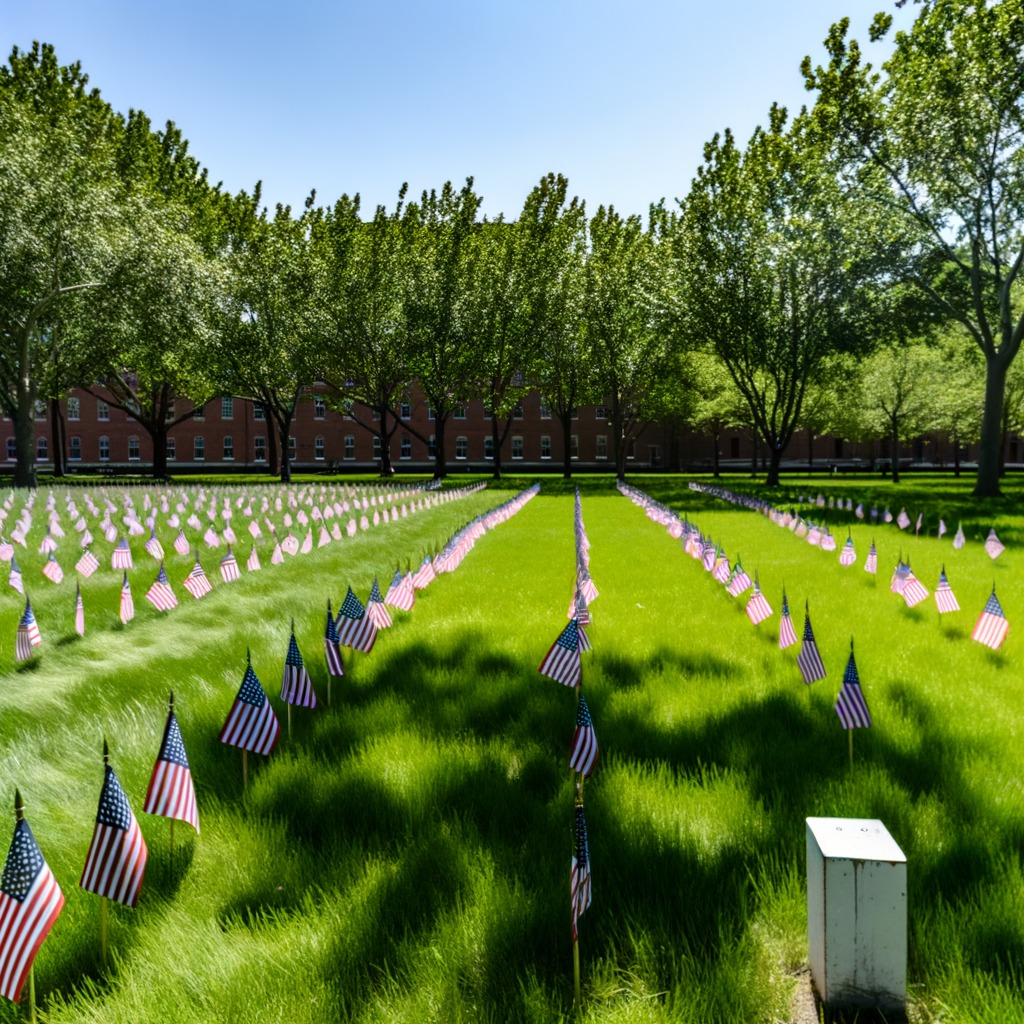
Each September, a solemn display appears in front of the Tioga County Office building in Owego, New York. Known as the “Field of the Forgotten Fallen,” this growing tribute serves as a powerful visual reminder of a staggering and tragic reality: each month, approximately 660 veterans across the United States die by suicide. This symbolic field, filled with rows of American flags, aims to raise awareness about veteran suicide and spark conversations that may help prevent future loss.
A cozy living room scene with sunlight and soft seating
Organized by Tioga County’s Director of Veterans Services, Dennis Mullen, the annual display is more than a memorial. It is a call to action. The initiative has been a fixture in the community for nearly a decade, and its impact continues to resonate. “It’s all about awareness, and awareness brings prevention,” Mullen explained. “The impact is that we get people to engage with the veterans.”
This local effort to spotlight veteran mental health issues comes at a time when the national conversation around mental health and suicide prevention is gaining traction. The field’s presence in such a visible location ensures that the issue cannot be ignored. For passersby, the sea of flags is a stirring sight, each one representing a life lost and a family affected. The display underscores the urgent need for continued support and understanding for those who have served.
Veteran suicide prevention is a deeply serious matter, and the numbers behind the flags are difficult to ignore. According to the U.S. Department of Veterans Affairs, veterans are at a significantly higher risk of suicide compared to the general population. The reasons are complex and varied, often involving post-traumatic stress, challenges with reintegration into civilian life, and barriers to accessing mental health care. The “Field of the Forgotten Fallen” seeks to break down some of those barriers by fostering community awareness and encouraging open dialogue.
Since the display’s inception, county officials have observed meaningful progress. Mullen, who also serves as a county legislator, noted significant improvements in the services available to veterans. “From when I became a legislator in 2016 until now,” he said, “the growth and the ability to help have been immense.” He emphasized that about 10 percent of Tioga County’s population is made up of veterans, making this a deeply personal issue for many residents. “These families exist in our community, and some of them hide in shame,” Mullen added. “They should not hide in shame. Their service was honorable.”
I found this detail striking: the quiet dignity of the display, combined with the deeply personal stories behind it, makes the field not just a memorial but a statement of solidarity. One such story came to the forefront during this year’s event. The family of Captain Timothy Nield gathered at the field to honor his memory. A Candor resident and graduate of SUNY Delhi and Binghamton University, Nield served in Afghanistan before his life was cut short by suicide in October 2017. He was 37 years old.
His father, Rick Nield, shared a heartbreaking glimpse into the aftermath. “He had everything to live for,” Rick said. “He’s got a young daughter. She lives in Albany with her mother. She’s a great athlete in school; she’s an outstanding student. The sad thing is that she never really got to know her father, because he passed away when she was five.”
Stories like Captain Nield’s are a painful reminder of the human cost behind the statistics. They underscore the importance of initiatives like the “Field of the Forgotten Fallen,” which not only honor those who have passed but also strive to prevent future tragedies. The field stands as a visual testament to the lives lost and a prompt for the community to take action. Whether through supporting mental health services, reaching out to veterans, or simply acknowledging their struggles, collective efforts can make a difference.
The field will remain in place through the end of September, offering a space for reflection, remembrance, and resolve. For those who might be struggling, help is always available. Veterans in need of support can reach out to the 24/7 Veterans Crisis Line by dialing 988 and pressing 1. This confidential service connects veterans with trained responders, many of whom are veterans themselves.
As the flags flutter in the September breeze, they serve as a quiet but powerful reminder: the fight for our veterans does not end when they come home. It continues in communities like Owego, where awareness, compassion, and action come together in the hope of saving lives.